






Autumn is the best time to create a compost heap, so read on for some of the most useful composting tips for this time of year.
Rake-up Deciduous Leaves
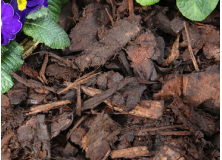
Leaves are fairly low in nutrients but they are carbon-rich and thus an excellent addition to any compost pile. However, make sure only to use leaves from deciduous trees, as leaves from evergreens such as holly or conifers do not make good compost materials. Try to wait until the leaves have started to brown after falling before you rake them up for collection.
Also try to add the leaves into the compost in small batches so they don't become matted. The composting process is much quicker when all the different materials are mixed up, especially green and brown materials.
The composted leaves can also act as a soil improver or conditioner when composted on their own. Any extra leaves that do not fit into the compost pile can be placed in a pile by themselves or into a leaf bag. A pile of leaves by itself will begin to compost anyway, and should be ready for use within a few months. A leaf bag will cultivate leaf mould which is also a good compost material for use as an soil conditioner.
Collect Grass Clippings
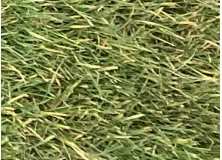
Grass clippings are another type of garden debris that can be repurposed for compost. Freshly mown grass clippings are rich in nitrogen which gives them the function of a compost activator.
When adding the grass clippings to your compost pile, make sure to do so only in thin layers so the clippings do not become matted. It is also a good idea to add in twice as much brown debris to create the ideal balance between carbon and nitrogen.
Gather the Skeletons
There is lots of compost potential in the skeletons of your annuals. After they have fruited and have started dying back, you can take their skeletons and set them aside for composting. Bigger bodied plants can be cut up into smaller pieces, though very thick parts can be disposed of as landfill or for another purpose. Do check for any mould or disease as you don't want these in your garden compost. Also remove the roots before composting as they are not useful.
Sprinkle Wood Ash
Any ash leftover from burning wood can also be added to a compost heap, though it needs to be sprinkled around and spread out to avoid clumps. Make sure the ash is clean, such as the ash from a wood-burning stove. Don't add the likes of chimney sweepings and other dirty ash.
Cover the Compost
Compost needs to be moist but not saturated with water, so either keep the compost's bin's lid closed or use some tarpaulin to create a cover for an unenclosed pile. This will cause rain to run off while retaining the pile's natural moisture.
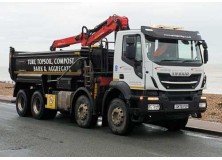
If you need any pre-made compost or topsoil to increase the nutrient content of your garden during the autumn, then contact Springbridge via our website or call today on 0845 370 1921 for more information.