




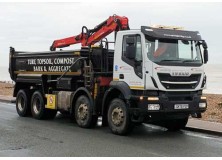


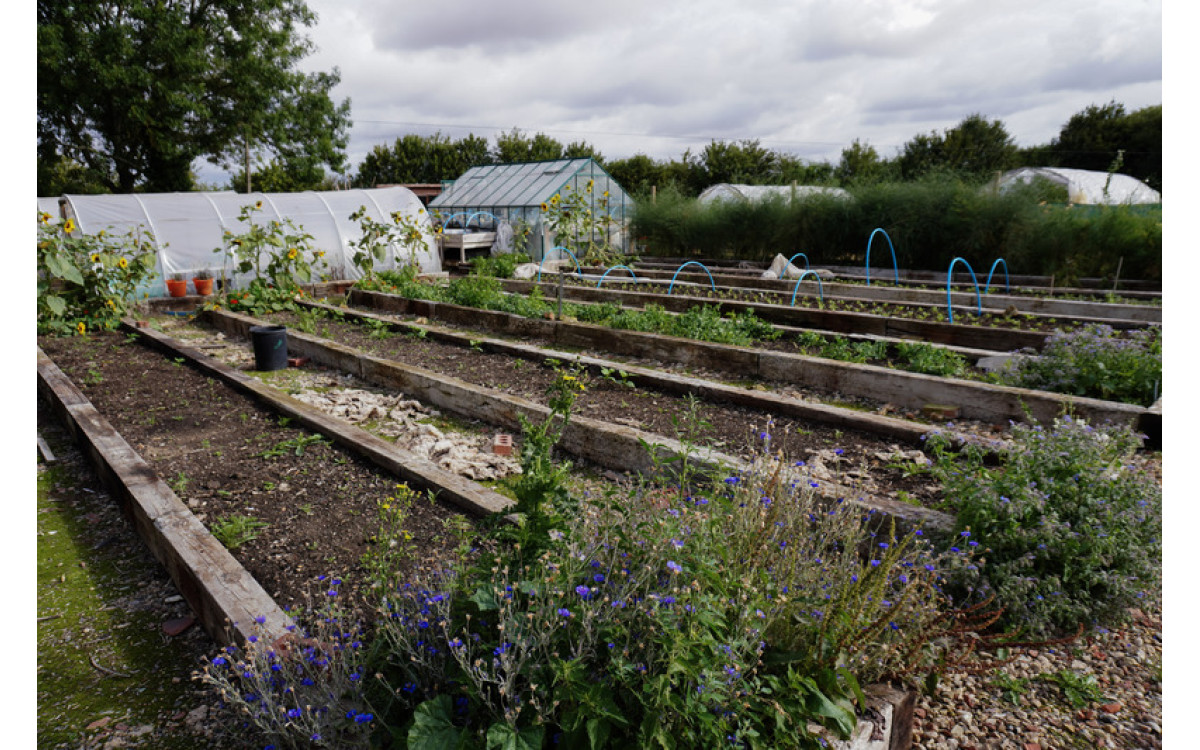


There is something particularly rewarding about seeing where our products end up after they leave our yard.
We recently visited Wild Farm to see how our Blended Topsoil is being used to help grow fresh, seasonal produce for the local community.
Based near Berkhamsted, Wild Farm was founded in 2021 by David and Julie Wright with the aim of reconnecting the food people eat with where it is grown.
After years of running cafés and restaurants, they wanted to create a more local approach to food, growing high quality seasonal fruit and vegetables closer to the kitchens and communities they would eventually reach.
Growing With the Soil in Mind
Wild Farm takes a regenerative, no dig approach to growing.
Rather than regularly ploughing or disturbing the ground, fertility is built by adding compost to the surface and allowing worms and microbial life to work within the soil.
The farm also avoids pesticides, artificial fertilisers and sprays, with a focus on creating healthy soil to support healthy plants. Crop rotation, mulching and composting are all used as part of this approach.
During our visit, Jude, Wild Farm's Head Grower, showed us around the farm and explained how this works in practice.
From crop planning and soil care to irrigation, pest pressure and harvesting, there is a huge amount happening behind the scenes before anything reaches the plate.
.jpg)
.jpg)
Where Our Blended Topsoil Comes In
For growing, Wild Farm uses our Blended Topsoil.
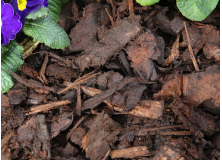
Our Blended Topsoil is a nutrient rich, peat free and free draining growing medium created by combining our Multi Purpose Topsoil with Spent Mushroom Compost.
The addition of Spent Mushroom Compost increases the organic matter content, making the product particularly well suited to vegetable gardens, growing areas, raised beds, planters and other planting projects.
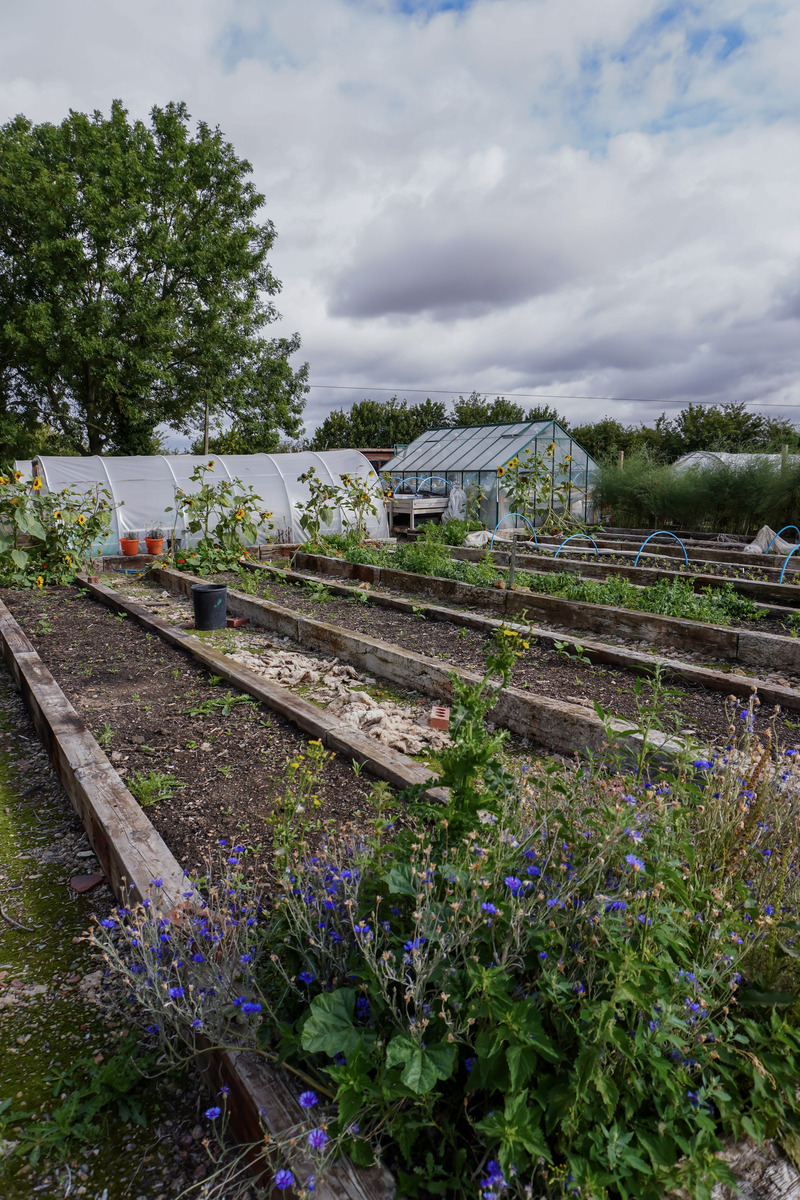
This makes seeing it being used at Wild Farm particularly interesting. Rather than simply delivering the material and never seeing it again, we were able to see the soil being used as part of an active growing environment.
.jpg)
More Than Just Vegetables
There was plenty to see around the farm.
Wild Farm has its own pasture raised hens providing eggs, while a local beekeeper manages hives around the edges of the farm. Wildflowers and flowering herbs are left to grow nearby to support the bees and help pollinate crops.
Food waste from Wild Farm's cafés and restaurants also comes back to the farm, where it is composted and eventually returned to the soil to support future crops.
And then there were some of the slightly more unusual things we got to see and taste, including strawberries with flavours that reminded us of raspberry and pineapple and vegetables such as tromboncino.
Shortening the Journey From Soil to Plate
One of the main ideas behind Wild Farm is to shorten the chain between where food is grown and where it is eaten.
Produce from the farm goes to local customers through veg boxes, as well as into cafés and restaurants, giving people a much closer connection to where their food comes from. Wild Farm describes its approach as creating a local food network built around seasonal eating, lower food miles and healthy land.
For us, it was a great opportunity to follow that journey from the other direction.
We normally see our Blended Topsoil when it leaves the yard or arrives on site. At Wild Farm, we were able to see what happens next, from the soil itself through to the fruit and vegetables being grown in it.
A huge thank you to Jude and the Wild Farm team for taking the time to show us around.