











At Springbridge Group, delivery is more than just getting materials from A to B. It plays a critical role in keeping projects running smoothly, particularly on sites where access, timing, and space are limited.
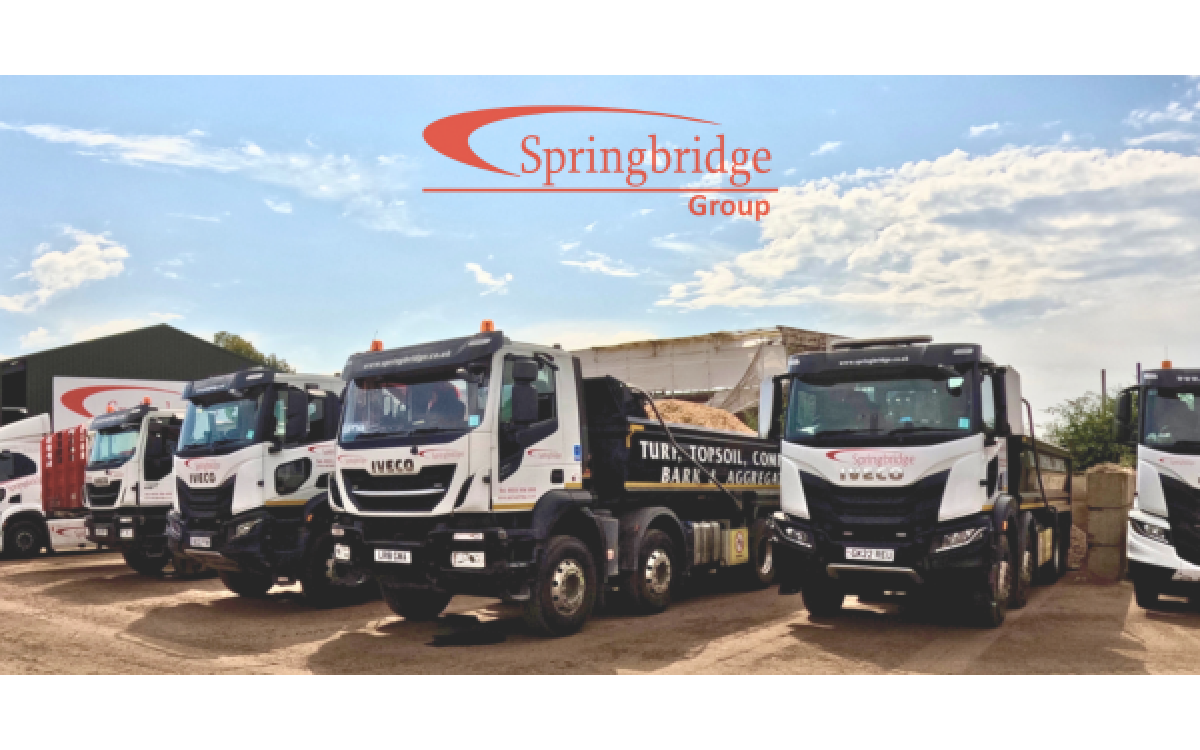
As demand continues to grow across landscaping and construction, we’ve recently expanded our fleet to better support these challenges and improve how materials are delivered on site.
Why Delivery Planning Matters
On many projects, especially active or restricted sites, delivery isn’t always straightforward.
Limited access, ongoing works, and tight schedules can all impact how and when materials can be delivered. Without proper planning, this can lead to:
• Delays in project timelines
• Increased manual handling
• Disruption to other site activities
That’s why understanding both the site and the delivery requirements is essential before materials even leave the yard.
Expanding Our Fleet to Meet Demand
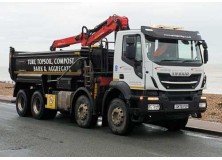
To support a growing number of projects, we’ve added two new 8 wheeler flatbeds with crane to our fleet, bringing our total to 25 vehicles.
These vehicles are particularly valuable on busy or restricted sites, where precision and flexibility are key.
With larger capacity and onboard crane functionality, they allow us to:
• Deliver higher volumes in a single trip
• Position materials exactly where they are needed
• Reduce handling time on site
• Improve overall efficiency
This means fewer delays and smoother project progression, even in more challenging environments.
Choosing the Right Vehicle for the Job
No two sites are the same, which is why selecting the right vehicle is a key part of delivery planning.
Our fleet allows us to match deliveries to site conditions, rather than taking a one-size-fits-all approach.
Smaller or Restricted Access Sites
For tighter spaces or residential areas, smaller vehicles such as 4 wheelers are often the most suitable. These can carry bulk bags while still navigating narrower roads and driveways.
Bulk Deliveries for Larger Projects
For larger sites, 8 wheeler tippers are commonly used to deliver loose loads efficiently, carrying up to 19–20 tonnes in a single trip.
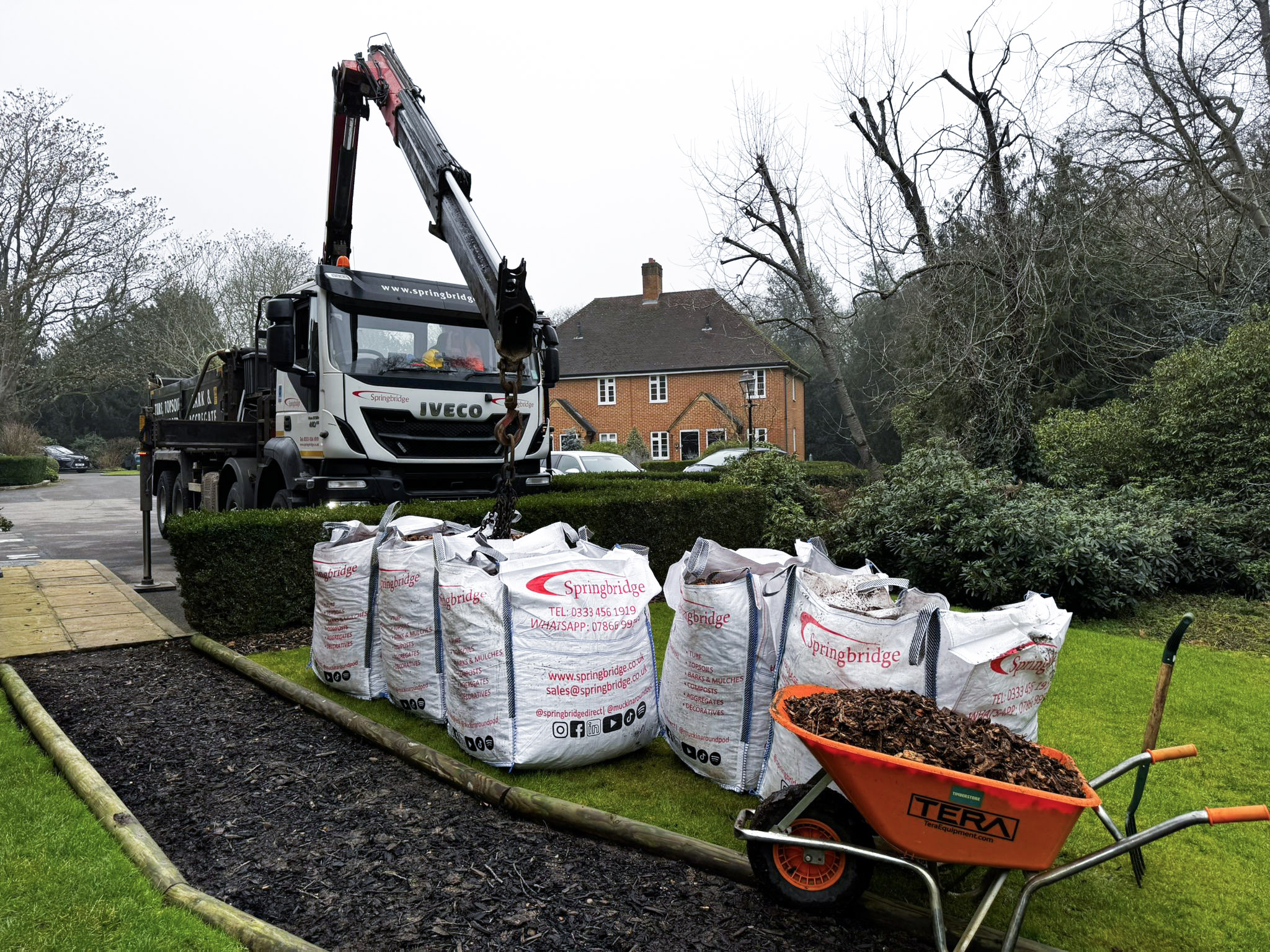
Controlled Offloading with Crane Vehicles
Where tipping isn’t possible, crane vehicles provide a practical solution. They allow materials to be lifted and placed accurately, which is especially useful on restricted or active sites.
High-Volume Commercial Deliveries
For large-scale projects, artic vehicles can be used to move high volumes efficiently, although access and space need to be carefully considered.
.jpg)
Planning Ahead for Site Conditions
Successful delivery isn’t just about the vehicle, it’s about understanding the site.
Before arranging delivery, key factors include:
• Road width and access points
• Turning space for vehicles
• Overhead restrictions such as trees or cables
• Ground conditions for offloading
• Whether materials should be tipped or crane-lifted
By assessing these early, we can ensure the right vehicle is selected and avoid issues on the day.
Supporting Projects During Busy Periods
As we move into peak construction and landscaping seasons, demand for both materials and delivery increases.
Planning deliveries in advance, particularly when crane offload or specific vehicle types are required, helps ensure availability and keeps projects running on schedule.
Delivering More Than Just Materials
Expanding our fleet is part of a wider focus on improving how we support projects from start to finish.
By combining the right vehicles with careful planning and clear communication, we’re able to deliver materials in a way that works for each individual site, helping reduce disruption, improve efficiency, and keep projects moving.
.jpg)
Need help planning your next delivery?
Our team is always on hand to help you choose the right delivery option for your site.