








A damaged lawn doesn't always need replacing.
Bare patches, worn areas and thinning lawn turf are common problems, especially after periods of hot weather, heavy foot traffic or general wear and tear. In many cases, the right preparation and quality materials are all that's needed to restore a healthy lawn.
Whether you're repairing a few small patches or larger damaged areas, this guide explains how to repair your garden turf and keep it looking its best.
Why Does Lawn Turf Become Damaged?
Even a healthy lawn can become damaged over time.
Some of the most common causes include:
• Heavy foot traffic
• Hot, dry weather
• Poor drainage
• Pet wear
• Garden furniture left in one place
• General wear and tear
Identifying what caused the damage is the first step towards repairing it successfully.
Should You Repair or Replace Your Lawn?
The answer depends on how extensive the damage is.
If only a few areas of your lawn turf have become worn or patchy, repairing those sections is often enough.
However, if large parts of the lawn are struggling or have become thin and uneven, replacing the affected areas with fresh turf will usually provide quicker and more consistent results than waiting for grass seed to establish.
Step 1: Remove the Damaged Grass
Start by removing any dead grass, weeds and loose debris.
If you're replacing a larger section, cut the damaged area into a neat square or rectangle before lifting it out. This makes it much easier to fit new turf neatly into place.
Step 2: Prepare the Ground
Healthy garden turf starts with healthy soil.
Lightly cultivate the ground to relieve compaction before adding fresh topsoil for your lawn.
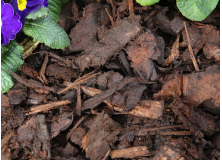
Our BS3882 Multi Purpose Topsoil is an excellent choice for lawn repairs. Made from approximately 70% PAS100 compost and 30% sharp sand, it provides a fertile, free-draining growing medium that encourages healthy root development.
Spread the topsoil evenly before raking it to create a smooth, level surface.
Good preparation underneath your lawn will help new roots establish more successfully.
Step 3: Repair the Lawn
The best repair method depends on the size of the damaged area.
Small Bare Patches
Small patches can usually be repaired using grass seed.
Lightly rake the soil, sow the seed evenly and keep the area moist while it establishes.
Larger Damaged Areas
For larger repairs, replacing the damaged section with fresh lawn turf often provides the quickest and most attractive result.
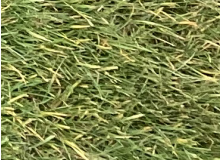
Our Premium Cultivated Turf is grown to Turf Growers Association standards using a carefully selected blend of:
• 30% Perennial Ryegrass
• 40% Slender Creeping Red Fescue
• 30% Strong Creeping Red Fescue
The result is a dense, hard-wearing lawn that's weed-free, disease-resistant and suitable for a wide range of domestic gardens.
Lay each piece tightly against the existing lawn to create an even finish.
Step 4: Water Thoroughly
Once your repair is complete, water the area thoroughly.
The aim is to moisten both the turf and the soil beneath it, encouraging new roots to establish.
Continue watering regularly until the repaired area has fully rooted.
Step 5: Stay Off the Lawn
Newly repaired areas need time to establish.
Avoid walking on the repaired section until the turf has rooted firmly into the ground. This helps prevent movement and gives the grass the best chance to recover.
How to Prevent Future Lawn Damage
Once your lawn has recovered, a little regular maintenance can help keep it looking its best.
You can reduce future damage by:
• Watering during prolonged dry spells.
• Avoiding cutting the grass too short in summer.
• Moving garden furniture occasionally.
• Repairing small bare patches before they spread.
• Aerating compacted areas when needed.
Looking after your lawn throughout the year will help maintain a healthier, stronger surface.
Frequently Asked Questions
Can a Damaged Lawn Be Repaired?
Yes. Most damaged lawns can be repaired successfully by improving the soil, replacing worn sections with fresh turf or reseeding smaller bare patches.
Should I Use Grass Seed or Lawn Turf?
Grass seed is ideal for smaller repairs, while lawn turf provides an instant finish for larger damaged areas.
What Is the Best Topsoil for Lawn Repairs?
A quality screened topsoil for lawns creates the ideal growing conditions for new roots.
Our BS3882 Multi Purpose Topsoil is free-draining, nutrient-rich and ideal for repairing lawns or laying new turf.
Can I Repair My Lawn During Hot Weather?
Yes, although repaired areas will require more regular watering while they establish.
Give Your Lawn a Fresh Start
A damaged lawn doesn't always need replacing.
With the right preparation, quality topsoil and fresh Premium Cultivated Turf, most lawns can be restored successfully.
Whether you're repairing a few worn patches or replacing larger sections, preparing the ground properly will help your garden turf establish quickly and stay healthier for longer.