









Leatherjackets are something many people notice in their lawns at certain times of year, particularly in the UK where conditions can suit their lifecycle.
They are a natural part of the environment, but understanding what they are and how they behave can help you manage them more effectively.
What Are Leatherjackets?
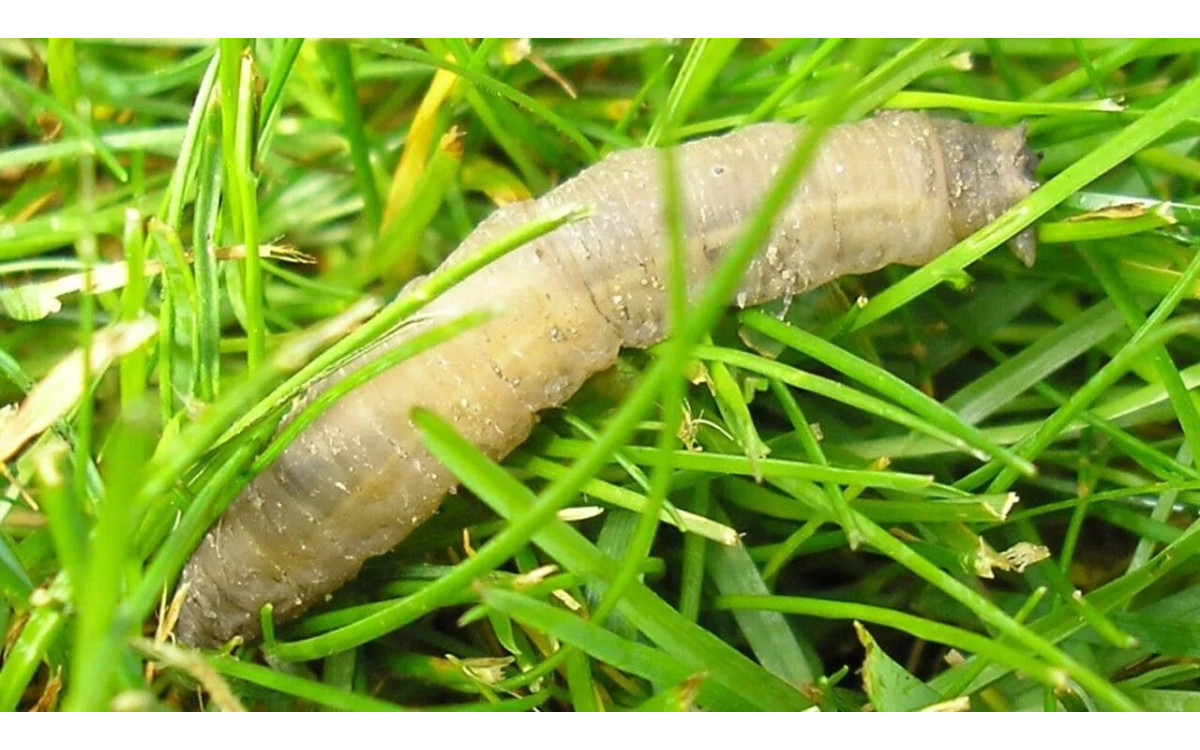
Leatherjackets are the larval stage of crane flies, which are often referred to as daddy longlegs.
They live below the surface of the soil and are typically grey brown in colour with a tough outer skin. They can grow to around 30mm in length and are most commonly found in lawns and grassy areas.
Why Are They More Noticeable Now?
In recent years, leatherjackets have become more noticeable for a few reasons.
Milder winters allow them to remain active for longer periods, while wetter soil conditions during egg laying help more of them survive.
There are also fewer chemical treatment options available than there were in the past, which means populations can be more visible than before.
The Leatherjacket Lifecycle
Understanding their lifecycle helps explain when they are most active.
- Egg stage
Adult crane flies lay eggs in late summer to early autumn, usually in moist soil. These hatch within a couple of weeks. - Larval stage
After hatching, the larvae live in the soil through autumn, winter and early spring. This is when they are most active. - Pupal stage
In late spring, the larvae begin to pupate in the soil. This stage lasts around two weeks. - Adult stage
Crane flies emerge, mate and lay eggs, continuing the cycle.
At this time of year, leatherjackets are nearing the end of their larval stage and will soon move into pupation before emerging as adult crane flies.
What Happens When You Lay New Turf?
If you are laying new turf, the process itself helps reduce the number of leatherjackets present.
During harvesting, handling and installation, a large proportion of larvae are naturally removed. This means newly laid turf is less likely to contain significant numbers compared to existing lawns.
How Can You Manage Leatherjackets?
There is no single solution, but there are several approaches that can help manage them effectively.
• Monitoring
Keep an eye on your lawn, especially in late summer and early autumn when crane flies are most active.
• Water management
Avoid overly wet conditions where possible, as damp soil can attract egg laying.
• Aeration
Improving soil structure through aeration can help create less favourable conditions.
• Biological treatments
Beneficial nematodes can be applied to lawns. These naturally occurring organisms help reduce leatherjacket populations without affecting other parts of the environment.
• Professional treatment
In some cases, professional treatment may be considered. Options are more limited than in the past and are typically used where needed rather than as a routine approach.
Planning Ahead
Leatherjackets are a natural part of lawn ecosystems, and their presence can vary from year to year depending on weather and conditions.
By understanding their lifecycle and taking simple steps to manage your lawn, you can keep your grass in good condition throughout the seasons.
Summary
Leatherjackets are the larvae of crane flies and are commonly found in UK lawns.
They follow a seasonal lifecycle, with activity peaking from autumn through to spring before they emerge as adult flies.
With a combination of awareness, good lawn care and appropriate treatment where needed, they can be managed effectively.