






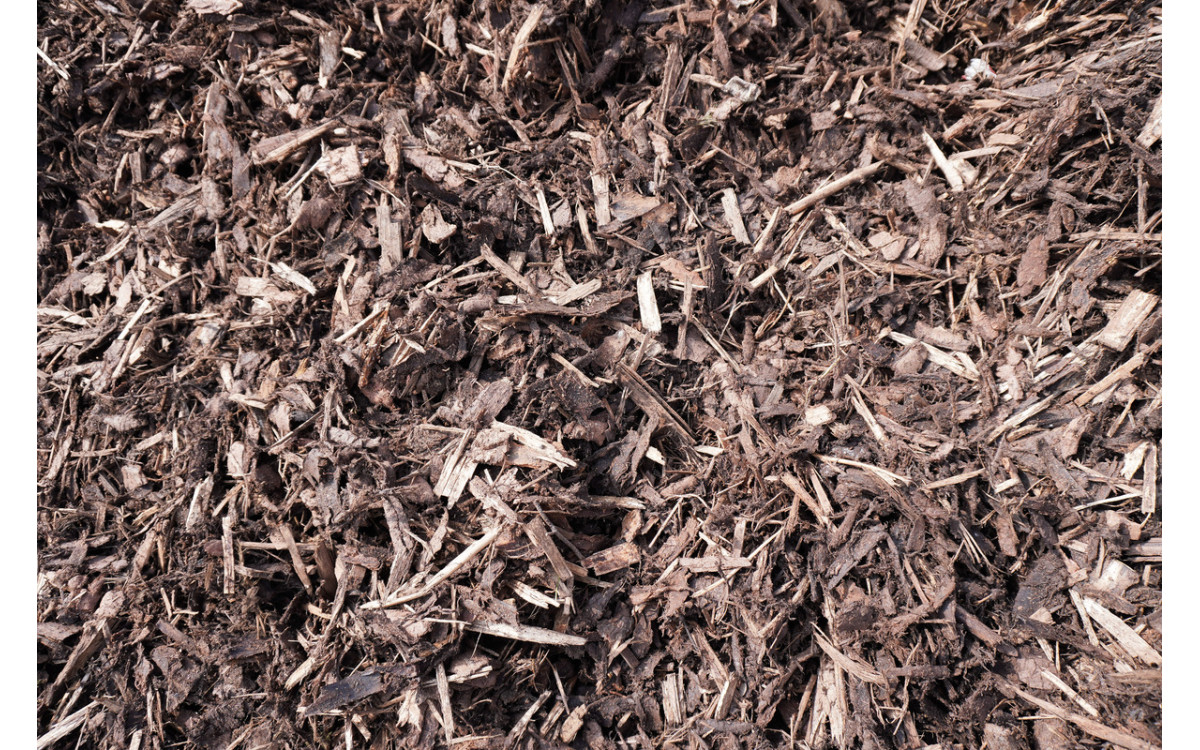


If you've been researching ways to improve your garden, you've probably come across the term mulch. But what exactly is it, and why do so many gardeners recommend using it?
Mulching is one of the simplest ways to improve the health and appearance of your garden. Whether you're planting flowers, shrubs or trees, applying garden mulch can help retain moisture, suppress weeds and create a neat, professional finish.
In this guide, we'll explain what mulch is, the benefits of mulching and how to choose the right mulch for your garden.
What Is Mulch?
Mulch is a layer of material spread across the surface of the soil around plants, trees and shrubs. It helps protect the soil while improving growing conditions throughout the year.
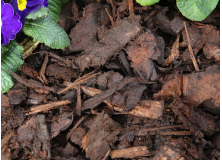
There are many different types of mulch, including bark, compost, gravel and slate. Organic mulches, such as bark, gradually break down over time and can help improve the soil, while decorative mulches provide an attractive, low maintenance finish.
What Are the Benefits of Mulching?
Applying mulch offers a range of benefits for both your plants and your garden.
Helps Retain Moisture
One of the biggest advantages of mulching is that it helps the soil retain moisture.
By reducing evaporation from the soil surface, mulch can help plants stay hydrated during warmer weather and reduce the need for frequent watering.
Suppresses Weeds
A layer of garden mulch helps block sunlight from reaching weed seeds, making it more difficult for weeds to germinate and grow.
Protects Plant Roots
Mulch acts as an insulating layer over the soil.
During summer it helps keep roots cooler, while in winter it provides protection from colder temperatures and frost.
Improves the Appearance of Your Garden
As well as its practical benefits, bark mulch creates a tidy, professional finish around borders, trees and planting beds.
It also helps define planting areas and reduces exposed soil throughout the garden.
Which Mulch Should You Choose?
The best mulch for your garden depends on the project you're working on.
Ornamental Bark Mulch
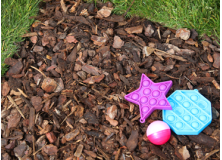
Our Ornamental Bark Mulch is produced from mixed conifer bark and is graded between approximately 10 and 60mm.
It creates an attractive natural finish while helping suppress weeds, retain moisture and reduce ongoing garden maintenance.
It is commonly used around flower beds, borders, shrubs and trees.
Contract Ornamental Bark Mulch
Our Contract Ornamental Bark Mulch is a finer grade, screened to approximately 10 to 35mm.
It is ideal for larger landscaping projects where a consistent decorative finish is required.
Woodland Mulch
Our Woodland Mulch is produced from composted mixed woodland materials.
It provides a natural appearance while helping retain moisture and suppress weeds, making it suitable for larger planting schemes, woodland gardens and general landscaping.
When Should You Apply Mulch?
Mulch is commonly applied during mid to late spring after the soil has warmed, or during autumn to help protect plant roots through the colder months. It can also be applied around new planting at any time of year.
How to Apply Garden Mulch
Applying mulch is straightforward.
1. Remove any existing weeds.
2. Water the soil if it is particularly dry.
3. Spread the mulch evenly around plants and borders.
4. Apply a layer approximately 5 to 7.5cm deep for the best results.
5. Avoid piling mulch directly against plant stems or tree trunks, as this can trap moisture around the base of the plant.
How Often Should Mulch Be Replaced?
Organic bark mulch naturally breaks down over time.
As it decomposes, it becomes thinner and gradually loses some of its decorative appearance.
Many gardeners choose to top up their mulch annually to maintain both its appearance and its effectiveness.
If you'd like to learn more, read our guide How Often Should Bark Mulch Be Replaced?
Frequently Asked Questions
What Is Mulch Used For?
Mulch is used to help retain moisture, suppress weeds, protect plant roots and improve the appearance of garden borders and planting areas.
Is Bark the Same as Mulch?
Not exactly.
Mulch describes the job the material performs, while bark is one of the most popular materials used as mulch. Other mulches include compost, gravel and slate.
What Is the Best Mulch for a Garden?
For most borders and planting beds, bark mulch is an excellent choice because it combines an attractive appearance with practical benefits such as moisture retention and weed suppression.
How Thick Should Mulch Be?
A layer of around 5 to 7.5cm is generally recommended to provide effective weed suppression and moisture retention.
Choosing the Right Mulch
Applying garden mulch is one of the easiest ways to improve both the appearance and health of your garden.
Whether you're refreshing flower beds, protecting newly planted shrubs or reducing the amount of time spent weeding, choosing the right mulch for your garden can make a noticeable difference.
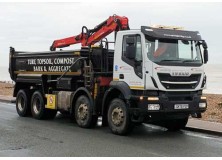
At Springbridge, we supply a range of quality bark mulches suitable for everything from small domestic gardens to large landscaping projects. If you're unsure which product is right for your project, our team is always happy to help.