


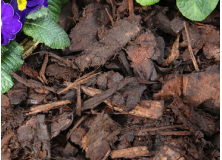









Decorative aggregates like shingle, pebbles and slate are one of the easiest ways to transform your garden into a beautiful outdoor space. Large amounts of such aggregates can be bought in bulk to reduce costs, plus there are mini bulk bag options for smaller projects and top-ups.
Not only do the various aggregates look
fantastic in unique ways but they are also exceptionally low maintenance,
saving you a lot of time and energy on garden upkeep. Once laid, they do not
need to be mowed, treated, fertilised or weeded. An occasional light raking to
tidy them up a little might be needed if the aggregate sees a lot of foot
traffic.
Which Aggregate to Choose
Some aggregates offer better protection against weeds, while others provide excellent drainage. The different sizes are suitable for different purposes as well, with the likes of smaller shingle ideal for pathways while the larger variety is better suited to a driveway.
Smooth and round Scottish Beach Pebbles are perfect for paths as well, creating a beach-style effect, and they can also be used to create plant borders and ornamental features. They are usually a light grey colour with speckles or bands of pink and other subtle hues which really come to life when the pebbles are wet, making them especially popular for water features.
Slate is more ornamental and is not usually used for pathways, but the various colours including blue, green and plum also make them eye-catching additions to water features, rock pools and ponds.
The classic Cotswold Buff
does suit pathways and drives as well as any decorative gardening purpose you
can think of. They have a light and warm tone up that can really brighten up a
exterior space.
How to Lay Decorative Aggregates
Laying decorative aggregates is easy, though there are tips for preparing the ground beforehand you might want to check. Firstly, you will need to clear out the area you intend to cover with an aggregate, digging out any weeds and even applying some weed killer for any stubborn ones. Once laid, the aggregates should prevent a lot of weeds growing as the sunlight will not get through as much to the soil underneath. To be absolutely certain no weeds will sprout through the gaps in the aggregate, you can lay a landscape fabric on the ground that will block sunlight completely while allowing the soil underneath to remain healthy.
Another thing to check is how level the ground is, as it is better to lay aggregates on a level surface. Use a rake to level the area and gather up any rocks, twigs, and other detritus you discover. The smoother and flatter the area is, the better.
For the best coverage, lay your aggregate to a depth of about 4 or 5 centimetres, although it can depend on the size of the aggregate you are using. Once the aggregate has been laid, use the rake to level it out.
A good tip is to create a supportive
border using larger stones or timber which will keep the aggregate enclosed and
stop it moving when walked upon.
If you want to learn more about using decorative aggregates for a
gardening or landscaping project, then contact Springbridge via our website or call
today on 0845 370 1921 for more information.