




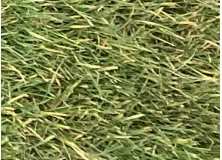




You've just laid your new lawn turf, followed all the instructions and expected a lush green lawn. Then, after a few days, you notice patches of yellow appearing.
If this sounds familiar, don't worry. Yellowing is one of the most common concerns after laying new turf and, in many cases, it's completely normal.
Fresh turf is a living product that needs time to establish. During the first few weeks, your lawn turf is developing new roots and adapting to its new environment. Factors such as warm weather, watering and installation can all affect its appearance.
In this guide, we'll explain why your new turf may be turning yellow, how to fix it and how to keep your lawn healthy while it establishes.
Is It Normal for New Lawn Turf to Turn Yellow?
Yes. It's perfectly normal for some areas of new lawn turf to lose a little colour during the establishment period.
When turf is harvested, it is cut away from its original root system before being rolled and delivered. Once laid, the grass needs to grow new roots into the soil below. During this time, it can experience temporary stress, particularly during hot, dry or windy weather.
Providing your turf has been laid correctly and receives the right aftercare, it should soon begin to recover and return to its natural green colour.
Why Is My New Turf Turning Yellow?
There are several reasons why newly laid turf may begin to yellow.
1. Your Turf Needs More Water
The most common cause is a lack of water.
Fresh turf has very little access to moisture until new roots develop, so it relies on consistent watering to stay healthy.
Watering little and often isn't enough. Instead, water thoroughly so the moisture reaches both the turf and the soil beneath. If the soil underneath feels dry, your lawn needs more water.
During warm weather, you may need to water more than once a day to stop the turf drying out.
2. The Turf Wasn't Laid Quickly Enough
Fresh turf should always be laid as soon as possible after delivery.
Leaving rolls stacked for several hours, especially during warm weather, creates heat within the roll. This causes unnecessary stress and can lead to yellow patches before the turf has even had a chance to establish.
Our Premium Cultivated Turf is freshly harvested and delivered ready to lay. For the best results, it should be laid as soon as possible and within eight hours of delivery.
3. Hot Weather Has Stressed the Grass
High temperatures, direct sunlight and drying winds all increase moisture loss.
Even if you're watering regularly, newly laid turf grass can still become stressed during prolonged periods of hot weather while its roots are developing.
This doesn't necessarily mean the turf is failing. Continue watering consistently and avoid letting the soil dry out.
4. The Turf Isn't Making Good Contact With the Soil
For new turf to establish properly, the roots need direct contact with the prepared soil underneath.
If the ground wasn't level before laying or there are air pockets beneath the turf, some areas may struggle to root, causing patches of yellow grass.
Lightly firming each roll as you lay it helps improve contact with the soil.
5. Your Lawn Is Still Establishing
Sometimes there isn't a problem at all.
During the first few weeks, your new lawn is using most of its energy to grow a strong root system rather than producing new green growth.
As long as you're following the correct aftercare and keeping the soil moist, the colour should gradually improve.
How to Keep Your Lawn Turf Healthy
If your new turf is turning yellow, these simple steps will usually help it recover.
• Water deeply so moisture reaches the soil beneath.
• Keep the soil consistently moist while the turf establishes.
• Avoid walking on the lawn during the first few weeks.
• Don't mow until the turf has rooted firmly into the ground.
• Continue checking underneath the turf to make sure the soil hasn't dried out.
Patience is important. New lawn turf takes time to establish, and rushing the process can do more harm than good.
Start With Quality Lawn Turf
The quality of the turf you buy plays a big part in how well it establishes.
Our Premium Cultivated Turf is grown to Turf Growers Association standards using a carefully selected blend of 30% Perennial Ryegrass, 40% Slender Creeping Red Fescue and 30% Strong Creeping Red Fescue.
It produces a dense, hard-wearing lawn that is weed-free, disease-resistant and suitable for both residential gardens and commercial landscaping projects.
Each roll measures approximately 1m² and is freshly harvested before delivery, helping you achieve the best possible results when laid onto well-prepared ground.
Frequently Asked Questions
Will Yellow Turf Turn Green Again?
Yes. In most cases, yellowing is temporary. Once the turf establishes new roots and receives the correct amount of water, it should gradually regain its healthy green colour.
How Often Should I Water New Turf?
Water immediately after laying your turf and continue keeping both the turf and the soil beneath consistently moist. During hot weather, this may mean watering once or twice a day depending on conditions.
Can I Mow Yellow New Turf?
No. Wait until the turf has rooted firmly into the soil before mowing. Cutting it too early can damage the developing roots and slow establishment.
How Long Does New Turf Take to Establish?
Most new lawn turf begins establishing within a couple of weeks, although this depends on the weather, soil conditions and ongoing aftercare.
Planning Your New Lawn
A little yellowing after laying new turf is usually nothing to worry about. With the right preparation, consistent watering and a little patience, your lawn should soon establish into a healthy, vibrant lawn.
If you're planning a new lawn, explore our range of Premium Cultivated Turf and topsoil products, or get in touch with our team for advice on choosing the right products for your project.