










A freshly laid lawn can completely transform your outdoor space, but only if it’s done properly. Poor preparation, incorrect installation, or lack of aftercare can quickly undo all your hard work. In this guide, we’ll walk you through how to lay premium cultivated turf correctly, along with expert tips for watering and maintenance to keep your lawn looking lush, healthy and hard-wearing all year round.
Soil Preparation
Proper soil preparation is essential to ensure the longevity and health of your new turf.
Begin by clearing the area of debris, rocks, old grass and weeds. Introducing a nutrient-rich, free-draining topsoil creates the ideal foundation for root establishment. We recommend our BS3882 Multi-Purpose Topsoil as a reliable, high-quality base that promotes strong, healthy growth.
Levelling & Compacting
Once your topsoil is in place, rake the surface until it is level and remove any remaining stones.
Lightly firm the ground by walking heel-to-heel across the area or using a garden roller to prevent sinking. The soil should feel firm underfoot but not compacted. Over-compaction can restrict drainage and root development.
When Is the Best Time to Lay Turf in the UK?
Turf can be laid successfully in the UK at almost any time of year, as long as the ground is not frozen or waterlogged. Spring and autumn are traditionally considered ideal, as the soil is naturally moist and temperatures are mild, helping roots establish quickly. However, turf can also be laid during summer provided it is watered consistently, and even in winter during frost-free periods.
With proper preparation and aftercare, premium cultivated turf will establish well whenever it is laid. The key is ensuring good soil contact and maintaining consistent moisture in the early weeks to encourage strong root development.
How to Lay Premium Cultivated Turf
Step 1: Lay Immediately After Delivery
Turf is a living product and should be laid on the day of delivery wherever possible to ensure freshness and successful establishment.
Step 2: Stagger the Joints
Start your first row along a straight edge, such as a fence or patio. Carefully unroll each turf piece to avoid stretching or tearing. Then lay the turf rolls in a staggered pattern to create a natural and cohesive appearance and avoid visible seams.
Step 3: Ensure Good Contact
Butt edges and ends tightly together, avoiding gaps. Gently tamp down using the back of a rake or a wooden board to ensure good soil-to-root contact.
Step 4: Finishing
Lay turf so it slightly runs beyond the area of your new lawn and trim any excess with a sharp knife or hand saw for a clean finish.
Step 5: Watering
Water the turf thoroughly within 30 minutes of laying to prevent it from drying out and to help the roots bond with the soil beneath.
Watering New Turf
In the first 2–4 weeks after the turf is laid, it needs to be watered twice a day, first thing in the morning and again in the evening. Watering three times a day may be necessary in hot conditions during spring and summer.
It is possible to overwater turf. Water should penetrate the soil rather than sit on the surface. The aim is to ensure the top 10cm of soil remains consistently moist.
Once the turf has fully rooted, it will require much less watering. Use your judgement to decide if it needs watering. In a hot summer where rainfall has been low and the soil is dry, hard and cracked, your lawn will need water. But if you have had rainfall, the grass looks healthy and thick, and bounces back when you stand on it, then your lawn is in great condition.
How Soon Can I Use My New Lawn?
Your fresh new lawn will take up to 6 weeks to become fully established. Ideally, you should wait 3 weeks before walking on the lawn. If you do need to use the lawn to reach certain points in your garden or to water it, avoid walking the same path, tread lightly and wear smooth-soled shoes.
Avoid mowing your new lawn until it has rooted. This can be checked by lifting a corner to see if the roots are attached to the soil. For the first few mowings, we recommend setting the lawnmower to its highest setting to avoid stressing the grass.
A balanced fertiliser should be applied every 4 to 6 weeks during the growing season. Always follow the manufacturer’s recommendations, but little and often will help maintain your lawn.
Ongoing Lawn Maintenance Tips
Watering
As the lawn matures, you should transition to watering thoroughly only once or twice a week. This encourages deeper root growth and improves drought resistance.
Mowing
Maintain the height of the lawn at 4–5cm. Never mow more than 25% of the length of the grass in one cut.
Feeding
After 6–8 weeks, move onto a fertiliser plan. Using a spreader is the best way to ensure even coverage, but applying by hand can work well for smaller areas.
Weeding
Avoid chemical weedkillers for the first 6 months. Hand-pull weeds as they appear.
Why Choose Our Premium Cultivated Turf?
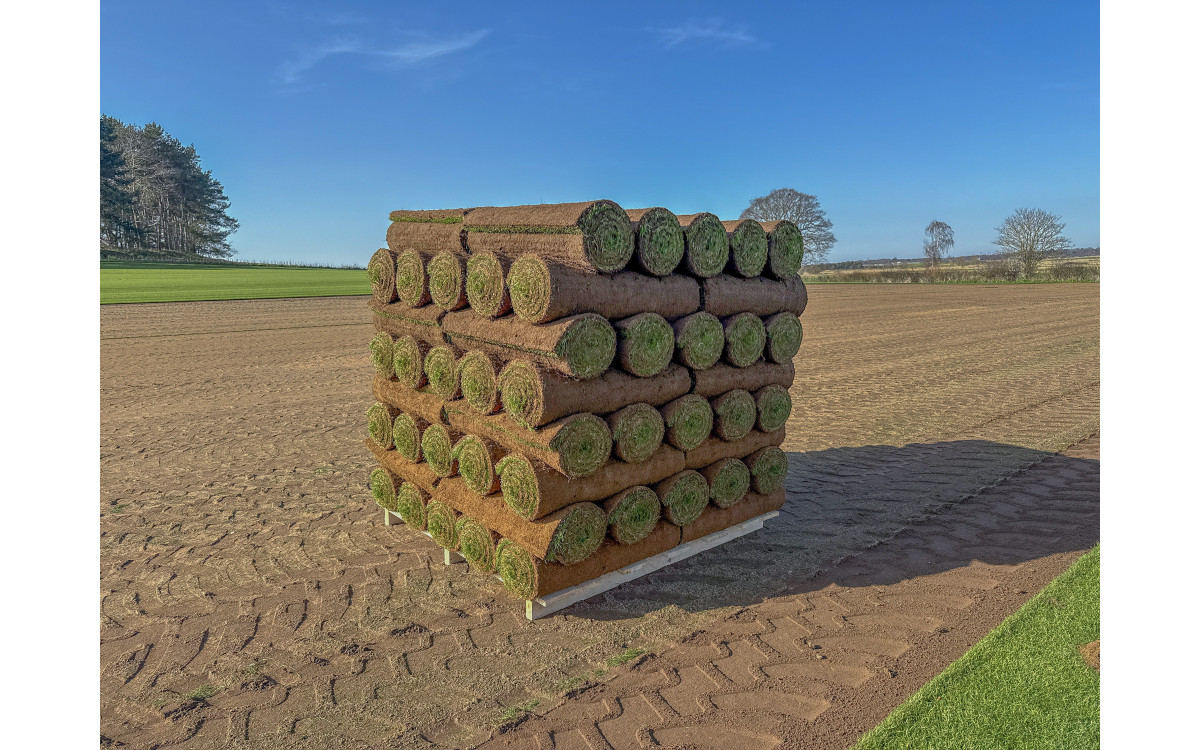
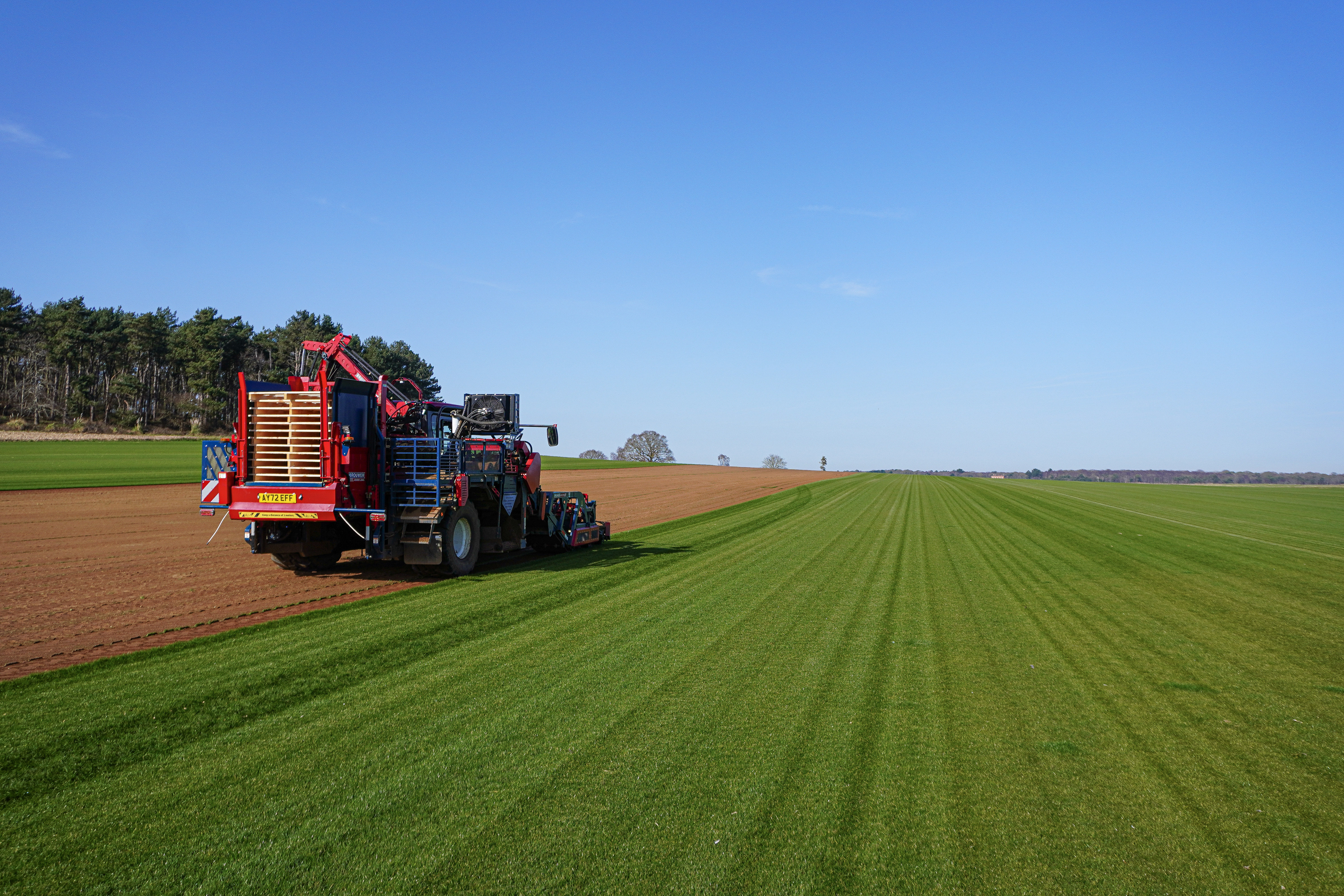
Our premium cultivated turf is grown with care and backed by decades of expertise, ensuring a consistently high-quality lawn you can rely on. Sourced from extensive growing land and produced by experienced growers, each roll is carefully cultivated to deliver a dense, healthy and vibrant finish.
Using a carefully selected blend of quality grass seed, this turf is naturally hard-wearing, weed-resistant and suitable for family gardens as well as areas with regular foot traffic. It establishes quickly when laid correctly and maintains its colour and strength throughout the changing seasons.
Grown using sustainable, plastic-free methods, our premium turf offers a beautiful lawn solution that combines performance, durability and environmental responsibility.
Ready to transform your garden? Order our premium cultivated turf online today or contact our team for expert advice on your project.