






Construction projects have the potential to cause significant damage to the soil quality in the surrounding area, but there are several ways to protect and maintain the soil’s quality and functionality.
The aim is to ensure that the soil disturbed by construction works
can continue to drain water and grow vegetation. Such sustainable business
practices such as effective forward planning before, during and after construction
works can also help companies reduce costs and enhance their reputation among environmentally
aware clients.
Basic Soil Care During Construction Work
Minimise how many times the soil is handled, moved or manipulated in any way to make room for the construction work. The more you handle or outright move the soil the more problems you create such as compaction which leads to poor drainage. Such problems can often be repaired by reinvigorating the soil with the likes of topsoil and compost, but it is better to try and avoid this issue in the first place.
You can minimise soil damage by excavating just one section of the
site at a time as required. You should also find a sustainable destination for
any excess soil resulting from the works. This can also help a company make
savings and comply with waste legislation guidelines and laws.
Controlling Sediment
When soil is dislodged by flowing water, it becomes sediment which can exacerbate erosion and soil damage. Silt fencing is a popular sediment control method used on construction sites, usually to protect nearby streams, rivers, and lakes from being polluted by flowing sediment. They are usually a low cost option but can be problematic if not installed or maintained correctly.
Filter socks or silt socks are a fabric sock usually filled with an
aggregate like wood chips and can work as an alternative to silt fencing.
Another effective option is to use straw wattles which consist of cylinders of synthetic
netting containing compressed agricultural straw.
Post-Excavation Soil Care
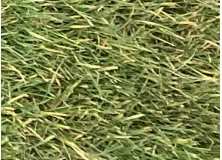
By seeding the resettled soil soon after the excavation work is complete, you can create natural ground cover which will help minimise erosion. It is probably wise to liaise with the landscaper or development planner as they might have specifications for a certain type of grass or seed species.
If seeding is not possible, then a ground covering for small areas particularly at risk from
erosion can help to prevent the vulnerable soil being affected by rain and
wind. It is a temporary measure though and should not be used for large areas
as it can have a detrimental effect instead.
General Soil Care
The transport and storage of construction equipment should also be
carefully planned to minimise the damage it can cause. Waste and spillage from
concrete mixers, tar cauldrons and other such equipment can cause lasting
damage to soil quality, so their placement and usage should be monitored and
planned with care.
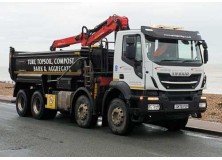
If you require topsoil or ground cover for a construction or
landscaping project, then contact Springbridge via our website or call
today on 0845 370 1921 for more information.