






There is much to do in July for keen gardeners making the most of their outdoor spaces and landscaping projects. Removing spring blooms, harvesting and replenishing are the main jobs to take care of during the summer, but there are other things you can do as well. Here is a checklist of landscaping and gardening tips specifically for July.
Prune the Perennials
The blooms of spring perennial flowers will have faded by mid-summer, so it is a good time to remove them and give your garden a tidier appearance. Spring perennials like bearded iris and peonies are beautiful but can looked a bit ragged if the faded blooms are left to continue withering away.
Removing the faded blooms also prevents the flowers from making seeds which is a drain on its energy consumption. By pruning the perennials in July, the plants will divert more energy towards their roots which will strengthen them and ensure a wonderful bloom again next spring.
Harvest Fruits and Vegetables
Once we reach the mid point of summer, fruits and vegetables will be growing strong so keep a regular check on what can be harvested right now. This will allow the still growing fruits and veggies to receive more energy and nutrients, and provide you with some tasty treats for lunches and dinners.
Top-Up the Garden Mulch
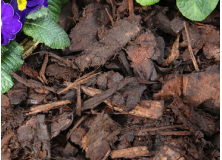
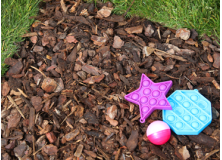
A layer of garden mulch keeps your garden low-maintenance and helps keep the soil healthy. Use July to check on the bark mulch in your garden and add some more to help increase the moisture retention properties of the topsoil and reduce weed growth.
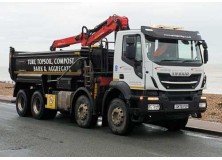
If you are laying mulch for the first time, then you may be better off if you buy bulk garden mulch so you have plenty to spread around. This is especially advisable for larger landscaping projects.
Replenish the Topsoil
With so many plants and flowers growing during the spring and early summer, the soil’s nutrient content will have dipped significantly by July. You can replenish the soil by adding a fresh layer of topsoil or mixing in some special compost to give your plants a nice mid-summer boost.
Water Grass Plants
By July, grass plants will have been baking in the sun for weeks, so it is time to give them a good watering to ensure they remain healthy throughout the rest of the summer. This obviously depends on the weather, as there is no need to add extra water if it has been raining a lot. But do keep an eye on your grass plants during heat waves and extended dry spells.
Attract Birds to Reduce Insects
Birds eat a lot of insects so having them frequent your garden will help reduce the amount of bothersome flies and mosquitoes. You can attract more birds into your garden with certain perennial flowers such as black-eyed Susan and coneflower, plus adding a refreshing birdbath so our feathered friends can cool off in the summer heat is another excellent way to increase the amount of bird visitors to your garden.
If you require garden mulch, topsoil or seeds for grass plants for any gardening or landscaping projects, then contact Springbridge via our website or call today on 0845 370 1921 for more information.