









Watering newly laid turf is essential for it to survive and establish properly. While rainfall will often help, dry spells can quickly cause fresh turf to dry out if it is not monitored carefully. The first 28 days are the most important period in the life of your new lawn.
Following best practice watering guidance will help your turf root successfully and develop into a dense, resilient lawn.
Why Watering Is So Important in the First 28 Days
When turf is harvested, its roots are cut. After laying, those roots need moisture to grow down into the soil beneath. Without consistent watering, the turf can dry out, shrink or struggle to establish.
The aim during the first few weeks is to keep both the turf and the soil beneath it consistently moist, without creating waterlogged conditions.
If you are unsure about the full laying process, see our guide on Laying and Maintaining Premium Turf.
Preparing the Ground for Better Moisture Retention
Good watering starts before the turf is even laid.
When preparing your soil, incorporating a soil conditioner can help improve its ability to retain moisture. This is particularly useful in sandy or free-draining soils, where water can quickly pass through. Starting with high quality BS3882 Multi-Purpose Topsoil provides a nutrient-rich and moisture-supportive base for successful root development.
It is also important to complete your ground preparation in advance so you can begin laying the turf as soon as it arrives. The less time the turf spends unlaid, the lower the risk of it drying out.
On Delivery: Preventing Turf from Drying Out
Turf is a living product and should be laid as soon as possible after delivery. Only order what you can realistically lay in one day to avoid stacks sitting too long. Our Premium Cultivated Turf is freshly harvested and delivered ready to lay, so prompt installation is important.
If there is any delay, keep the turf in a shaded area and avoid leaving it exposed to direct sunlight. Dampening the prepared ground immediately before laying can also help reduce moisture loss during installation.
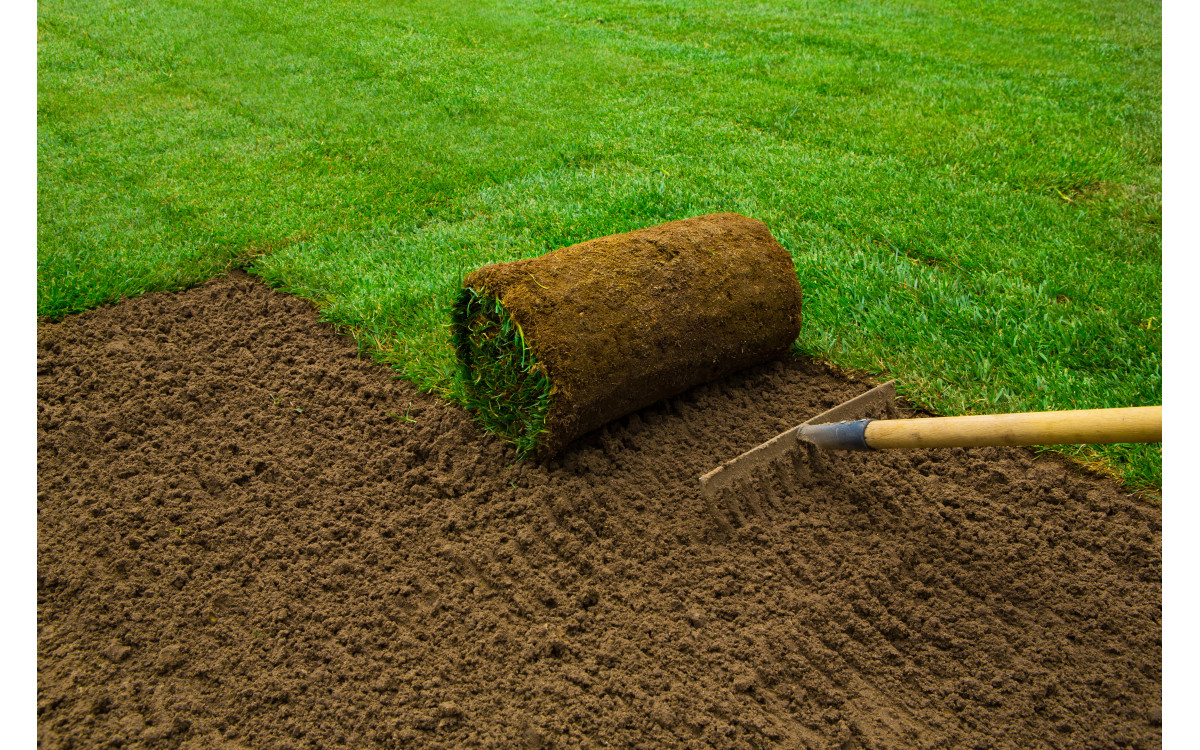
As you lay each roll, lightly tamp it down to ensure firm contact with the soil beneath. Good soil contact is essential for moisture transfer and root development.
Water Immediately After Laying
Once the turf is down, it should be watered straight away.
Water thoroughly so that the moisture penetrates through the turf and into the soil beneath. The goal is to dampen the soil to a depth of approximately 100mm. You can check this by carefully lifting a corner to ensure moisture has reached below the surface.
Take care not to flood the area. Overwatering can create soggy conditions that restrict oxygen to the roots and encourage moss or disease.
If you are unsure how long rooting takes, read our guide on How Long Does Turf Take to Root?.
Ongoing Watering During the First Few Weeks
During the first few days, your turf will require close attention. In dry weather, watering may be needed daily.
As the days progress, water in the early morning or late evening. This reduces evaporation and allows moisture to soak into the soil more effectively.
It is important not to overwater. Before applying more water, check whether the soil beneath is still moist. If rainfall has occurred and the ground remains damp, additional watering may not be necessary.
The key principle is simple: keep the turf consistently moist, but never saturated.
Adjusting Watering Over the First 28 Days
As the turf begins to root, watering frequency can gradually reduce.
Over the course of the first month, move towards watering less often but more thoroughly. This encourages the roots to grow deeper in search of moisture, strengthening the lawn and improving drought resistance.
The turf should never be allowed to dry out completely during this establishment period. Drying can cause shrinkage, gaps and poor root bonding.
After approximately 28 days, a well-established lawn should be able to sustain itself more naturally, relying more on rainfall and deeper root systems.
Avoiding Common Watering Mistakes
To ensure the best results, avoid the following:
- Overwatering, which can cause shallow roots and disease
- Allowing turf to dry out in warm or windy conditions
- Watering in the middle of the day during hot weather
- Walking excessively on turf before it has rooted
Balanced, consistent care is far more effective than irregular heavy watering.
Establishing a Strong, Resilient Lawn
The first month after laying turf is crucial. By preparing your soil properly, laying promptly and following a consistent watering routine, you create the ideal conditions for successful root establishment.
Choosing high quality Premium Cultivated Turf and preparing the ground with the right materials gives your lawn the strongest possible start. With the correct aftercare, your turf will develop into a dense, vibrant and long-lasting feature of your garden.
If you need guidance on turf preparation, delivery or aftercare, our team is always available to provide professional advice.